From waterfront warehouses to sky-high wonder
Each deck reveals a different era of New York ambition, design, and everyday life in motion.
Table of Contents
From harbor city to vertical metropolis
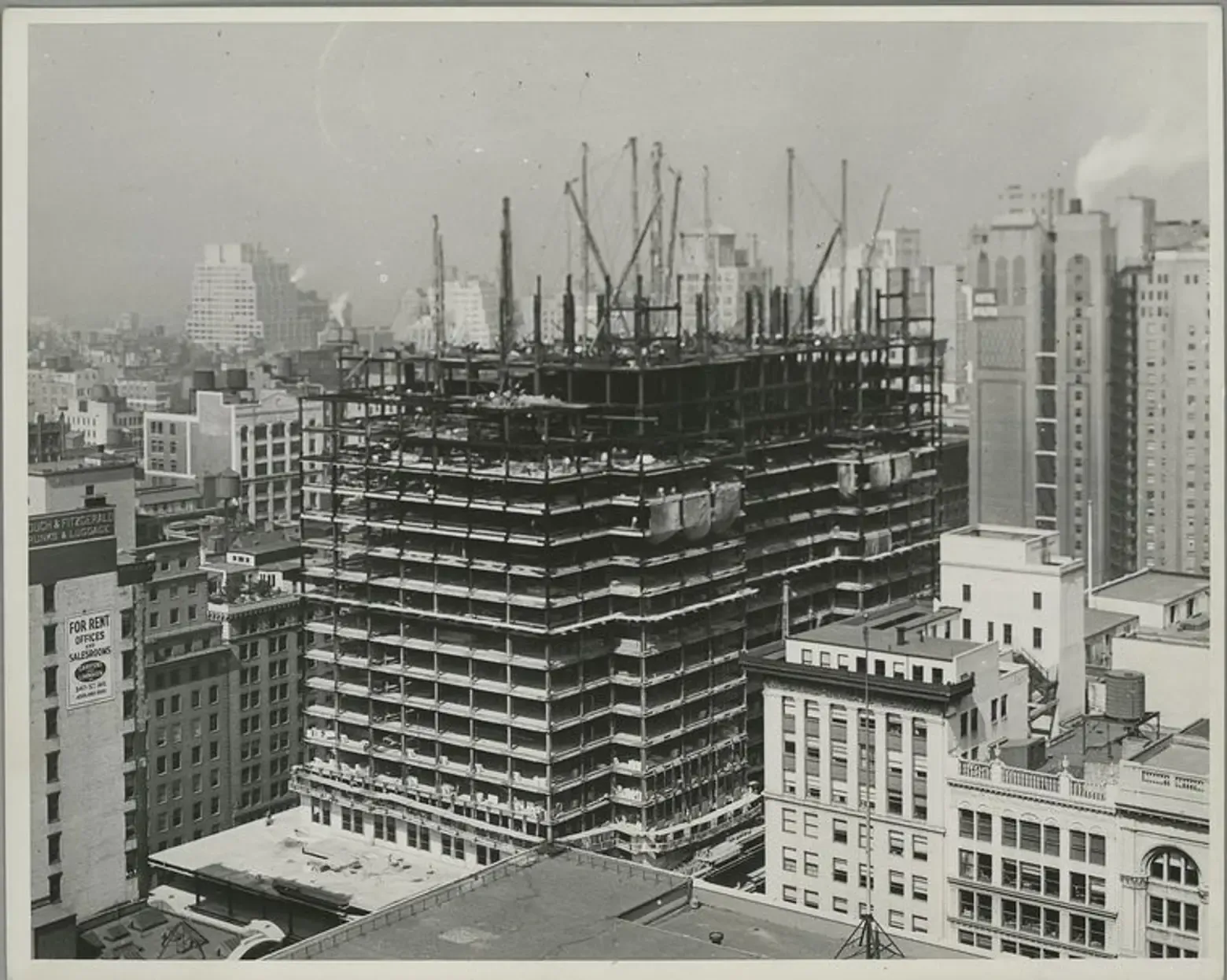
Long before the glass towers and observation decks, New York grew as a harbor city where ships, trade, and migration shaped daily life. In the 19th century, waves of newcomers arrived through the port, rail lines expanded, and Manhattan’s commercial heart tightened block by block. Land was limited, ambition was not, and that pressure pushed the city toward height. What began as practical engineering soon became civic theater: companies and architects raced to build higher, bolder, and more memorable profiles against the sky.
By the early 20th century, New York had transformed into a laboratory of structural innovation. Steel frames, faster elevators, and zoning rules changed how towers were designed and how sunlight reached the streets. The skyline became a public symbol of confidence, then resilience, then reinvention. Today’s observation decks are part of that same story: each one is a stage where visitors witness how geography, industry, culture, and human imagination have layered themselves into one of the most recognizable cityscapes in the world.
Rockefeller, Midtown and the rise of observation culture
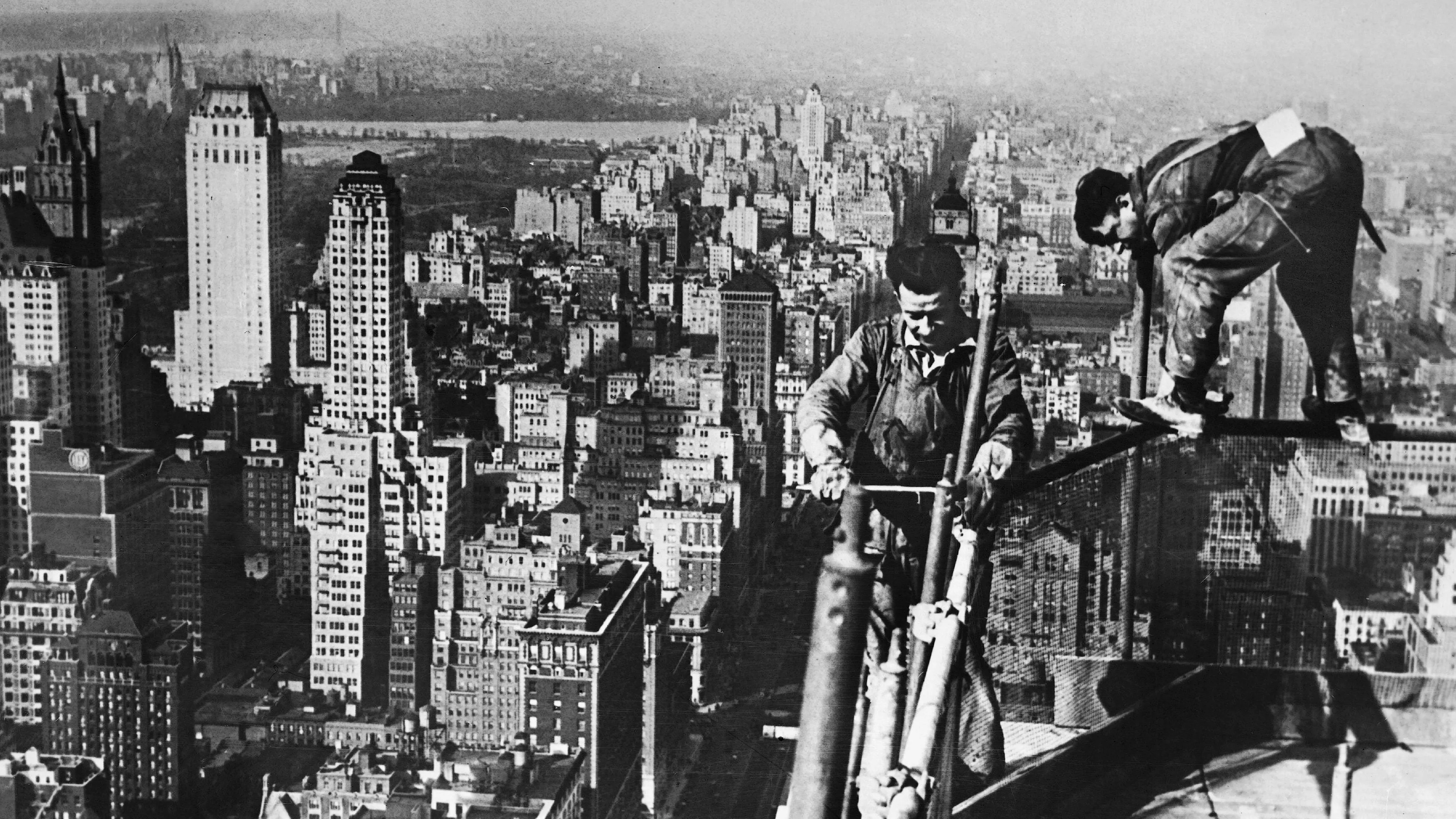
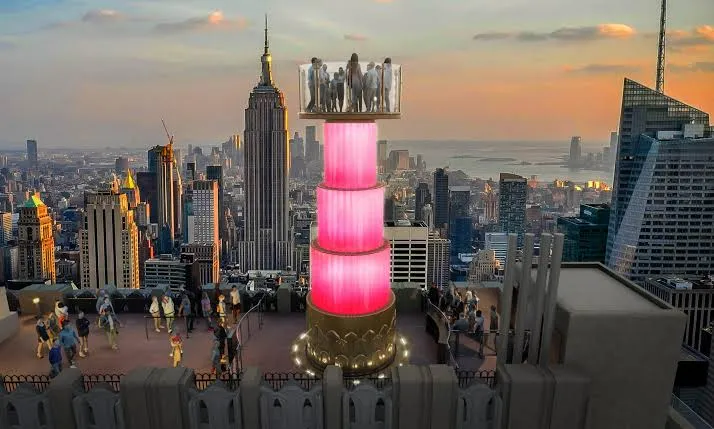
Rockefeller Center helped redefine Midtown as a coherent urban vision rather than a loose collection of towers. Designed as a large-scale complex during a difficult economic era, it blended commerce, media, public art, and plazas into an experience that still feels modern. Top of the Rock eventually emerged as a signature viewpoint not only because of its height, but because of its composition: Central Park to one side, the dense canyon of Midtown to the other, and the Empire State Building centered like a landmark in a textbook skyline photograph.
This is where observation culture became emotional as well as practical. Visitors did not just go up for altitude; they went for orientation, storytelling, and memory. You could stand on one terrace and understand the urban logic of Manhattan in seconds, then stay for an hour because the light kept changing and every direction offered a different mood. The deck became a ritual for birthdays, proposals, family reunions, and first visits, proving that city viewing could be both grand and deeply personal.
Empire State Building and the Art Deco race to the sky
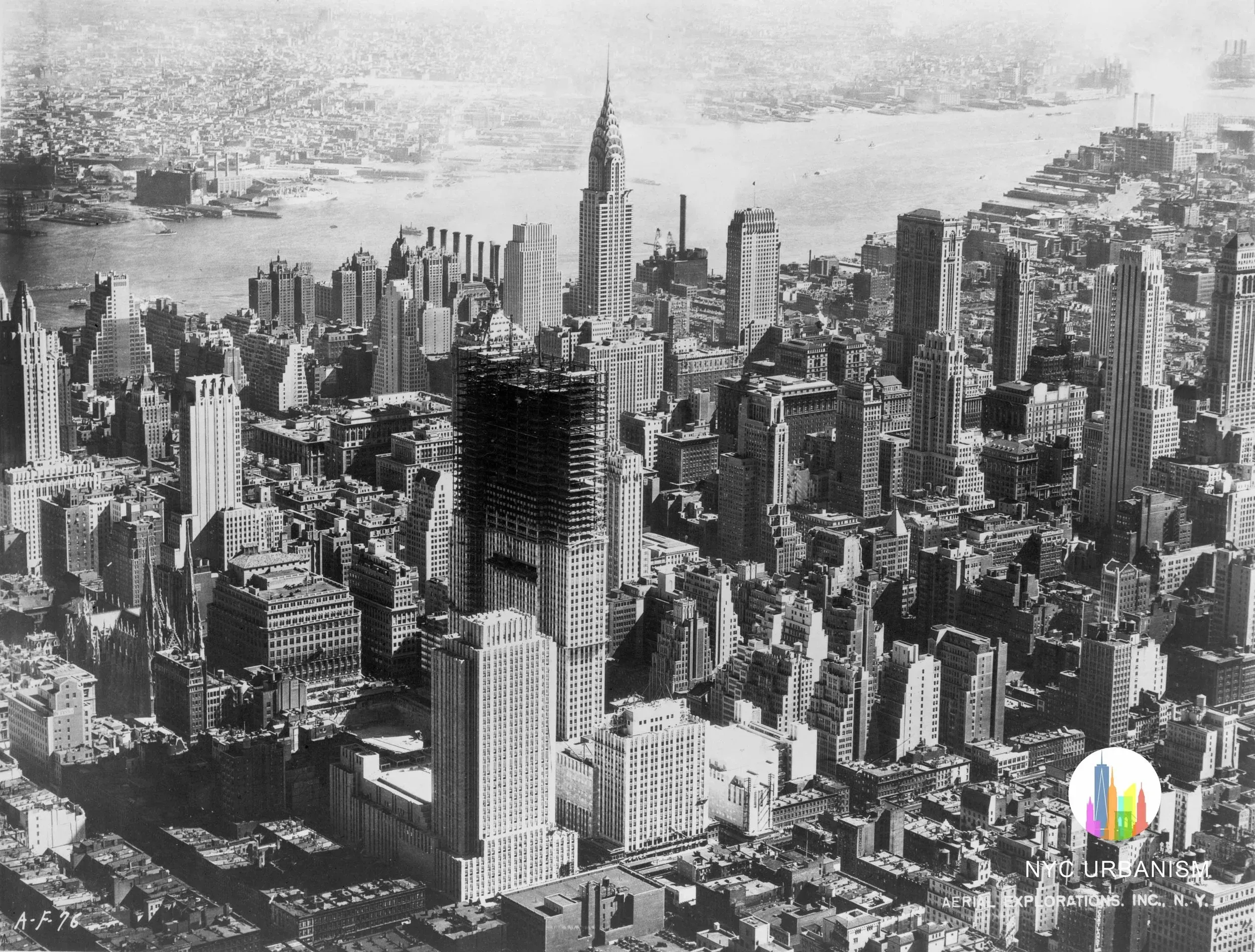
Few structures embody New York mythology like the Empire State Building. Completed in 1931 at extraordinary speed, it rose during a period of fierce skyscraper competition and quickly became a symbol of determination in uncertain times. Its Art Deco lines, limestone façade, and tapered silhouette were as strategic as they were beautiful, balancing engineering requirements with visual drama. For decades, standing on its observatory meant touching the highest chapter of urban modernity.
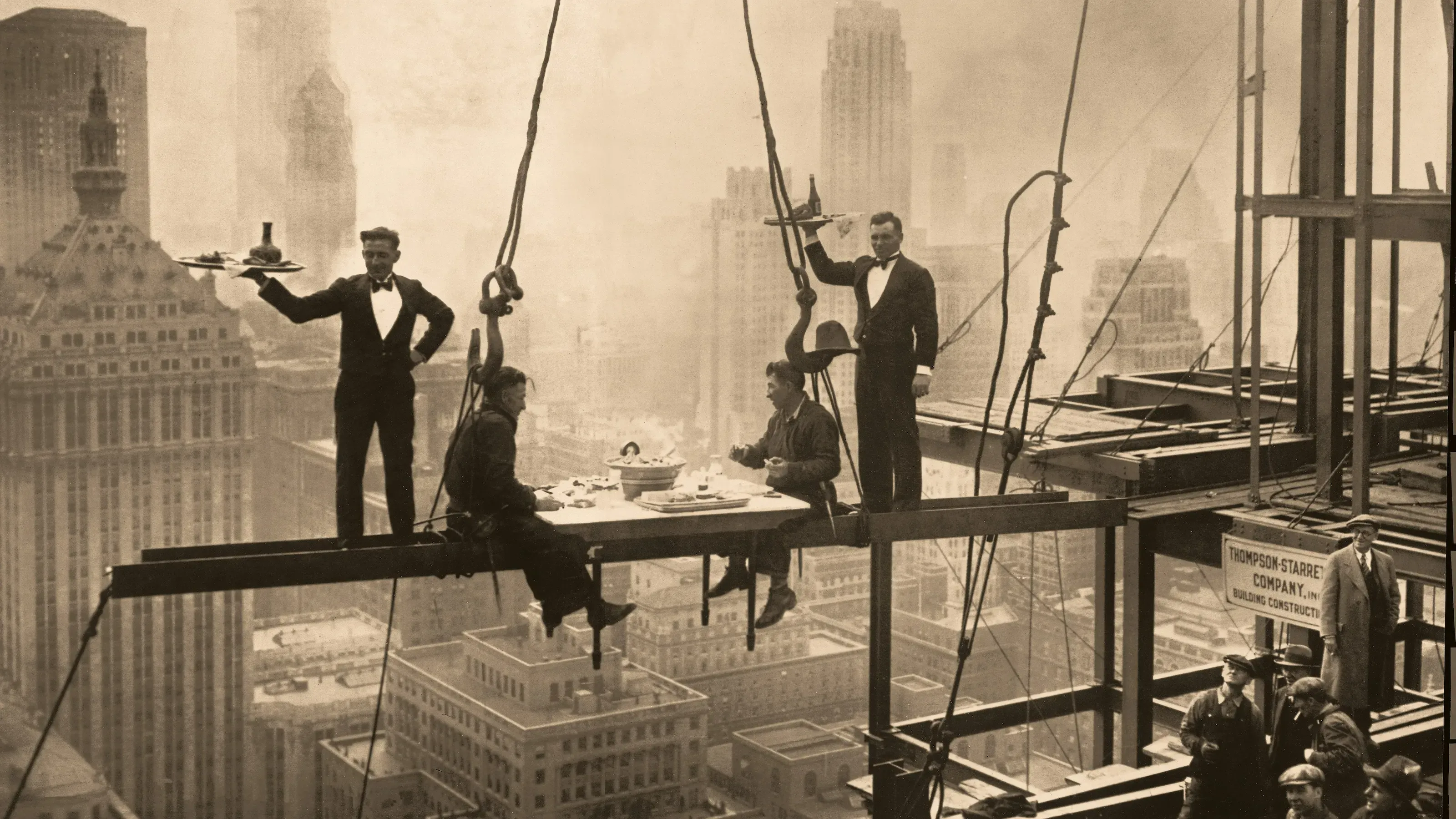
Even now, the Empire State experience feels ceremonial. You move through exhibits that connect labor history, design innovation, and pop-culture legacy before reaching the open-air terrace where the city’s scale becomes tangible. On clear days, visibility stretches far beyond the boroughs; on misty evenings, the building lights and traffic streams create a softer, cinematic mood. A useful fact many visitors love: the tower reaches 1,454 feet to the tip including its antenna, yet what stays with people is less the number and more the sensation of standing in a place where history and horizon meet.
Downtown reborn and One World Observatory
Lower Manhattan has repeatedly reinvented itself, from colonial port district to global financial center to one of the city’s most layered cultural zones. One World Observatory represents that arc with unusual emotional depth. Rising above the rebuilt World Trade Center site, it offers more than sweeping views of bridges and waterways; it invites visitors to consider continuity, memory, and the city’s capacity to rebuild while looking outward to the harbor and beyond.
The journey up is intentionally immersive, combining high-speed ascent with curated media moments that reveal how New York’s skyline evolved across centuries. Once at the top, you see the geometry of downtown streets, ferries tracing white paths over the river, and borough edges meeting open water. It is one of the best places to understand Manhattan as an island city whose identity has always depended on movement, exchange, and connection with the wider world.
Hudson Yards and the era of new platforms
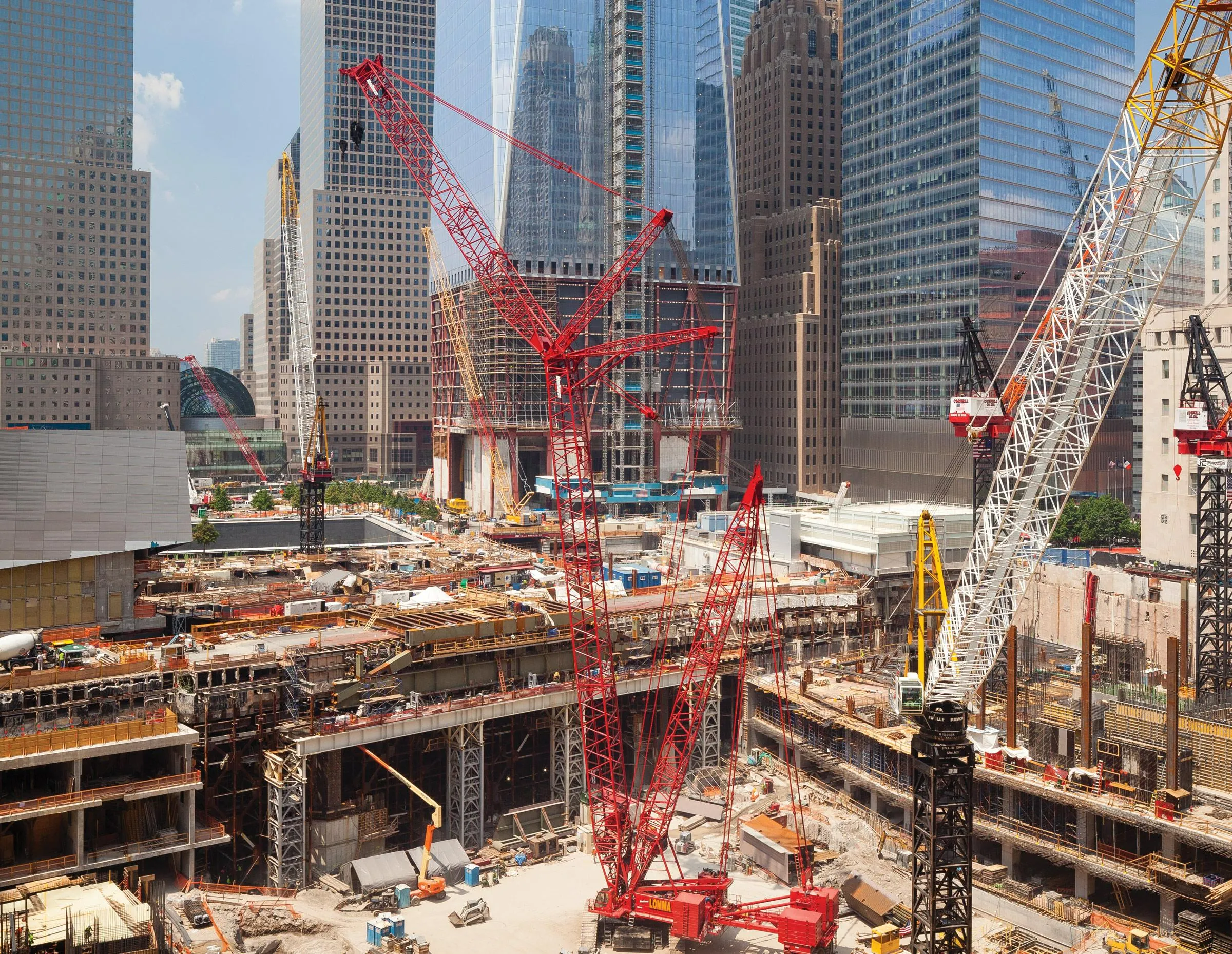
Edge NYC marks a newer chapter in skyline design, where observation is no longer passive. Suspended from Hudson Yards, its triangular platform projects into open air and creates a powerful sense of floating over the city grid. Angled glass walls and a glass floor segment encourage visitors to experience height physically rather than just visually, turning the skyline into an active encounter with space, scale, and perspective.
This area itself reflects contemporary urban redevelopment: rail infrastructure below, mixed-use towers above, and a carefully planned pedestrian environment linking old and new Manhattan. Watching the Hudson River at sunset from Edge often becomes a highlight because the western light washes the facades in warm color while shadows carve the avenues into dramatic lines. It is both a viewpoint and a statement about how modern New York imagines public spectacle in the vertical age.
SUMMIT One Vanderbilt and immersive skyline design
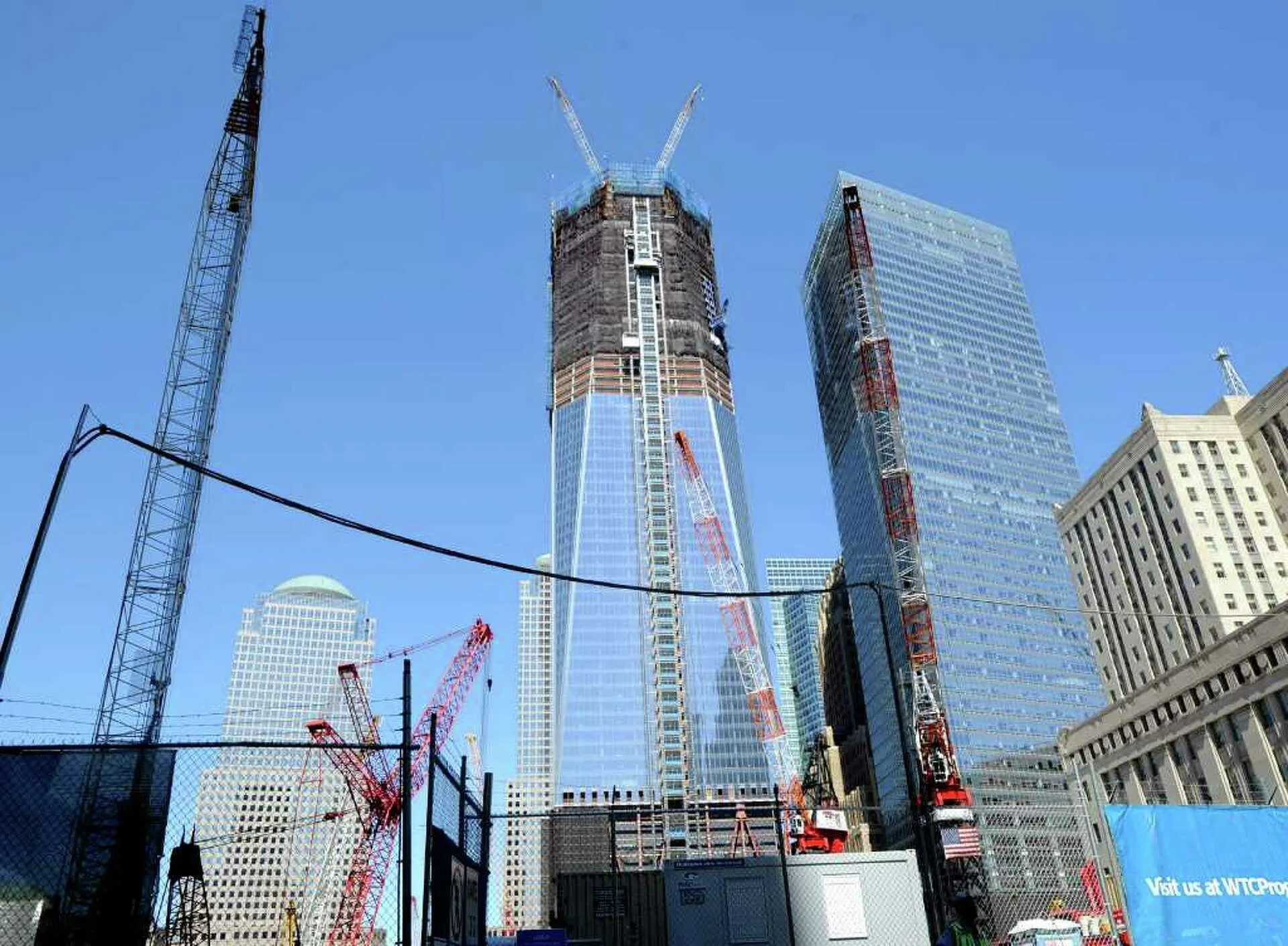
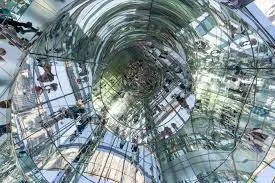
SUMMIT One Vanderbilt has reshaped expectations of what an observatory can be. Instead of offering only a terrace, it merges art, mirrored architecture, glass projections, and elevated city views into a multi-sensory environment. Reflection rooms multiply the skyline until boundaries blur, making familiar landmarks appear new, playful, and almost dreamlike. It is particularly popular with visitors who want an experience that feels contemporary, social, and visually experimental.
Positioned near Grand Central, SUMMIT also demonstrates how transit access and vertical entertainment can work together. Travelers step out of one of the world’s busiest rail hubs and, within minutes, move into a carefully choreographed sequence of light, height, and panoramic reveal. At certain times of day, cloud movement and sun angle transform the interior into shifting color fields, proving that the skyline is not a fixed postcard but a living backdrop that changes minute by minute.
Engineering feats behind modern deck experiences
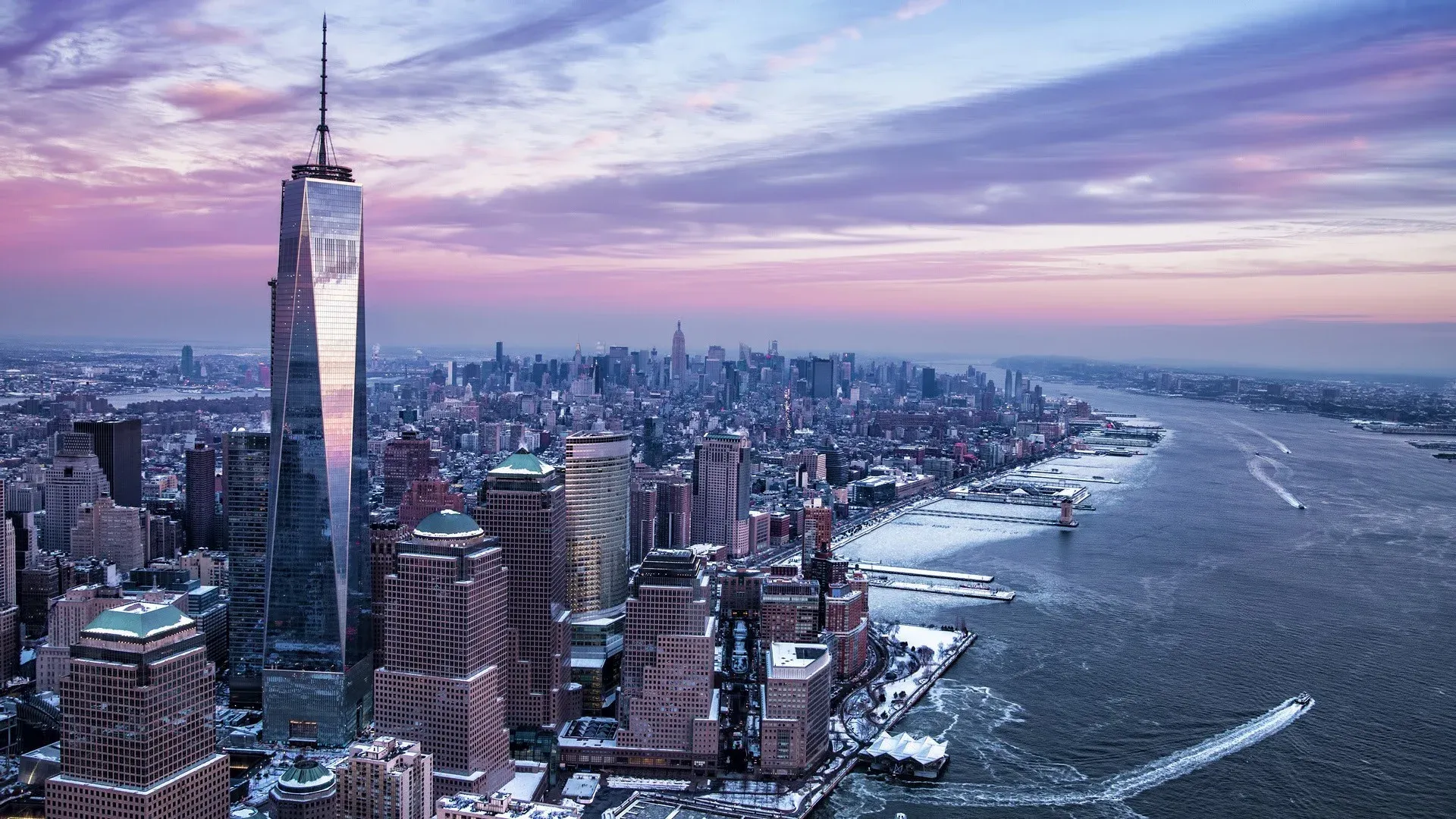
Behind every deck visit lies a dense network of engineering decisions: wind-load calculations, tuned mass systems, laminated glass technology, elevator logistics, and rigorous life-safety protocols. Designers must balance comfort with capacity, ensuring visitors feel secure while still preserving open, dramatic views. In supertall contexts, even small details matter, from queue choreography to anti-reflective glazing that improves photography without compromising energy performance.
Fast elevator travel is another hidden marvel. In many buildings, ascent itself is part of the storytelling arc, compressing city history and vertical distance into a few unforgettable seconds. For guests, that ride feels effortless; for engineers, it represents decades of progress in control systems, materials, and redundancy standards. These technical layers rarely dominate the visitor narrative, yet they are the reason skyline tourism can be both thrilling and consistently reliable at massive scale.
Crowds, safety and guest accessibility today
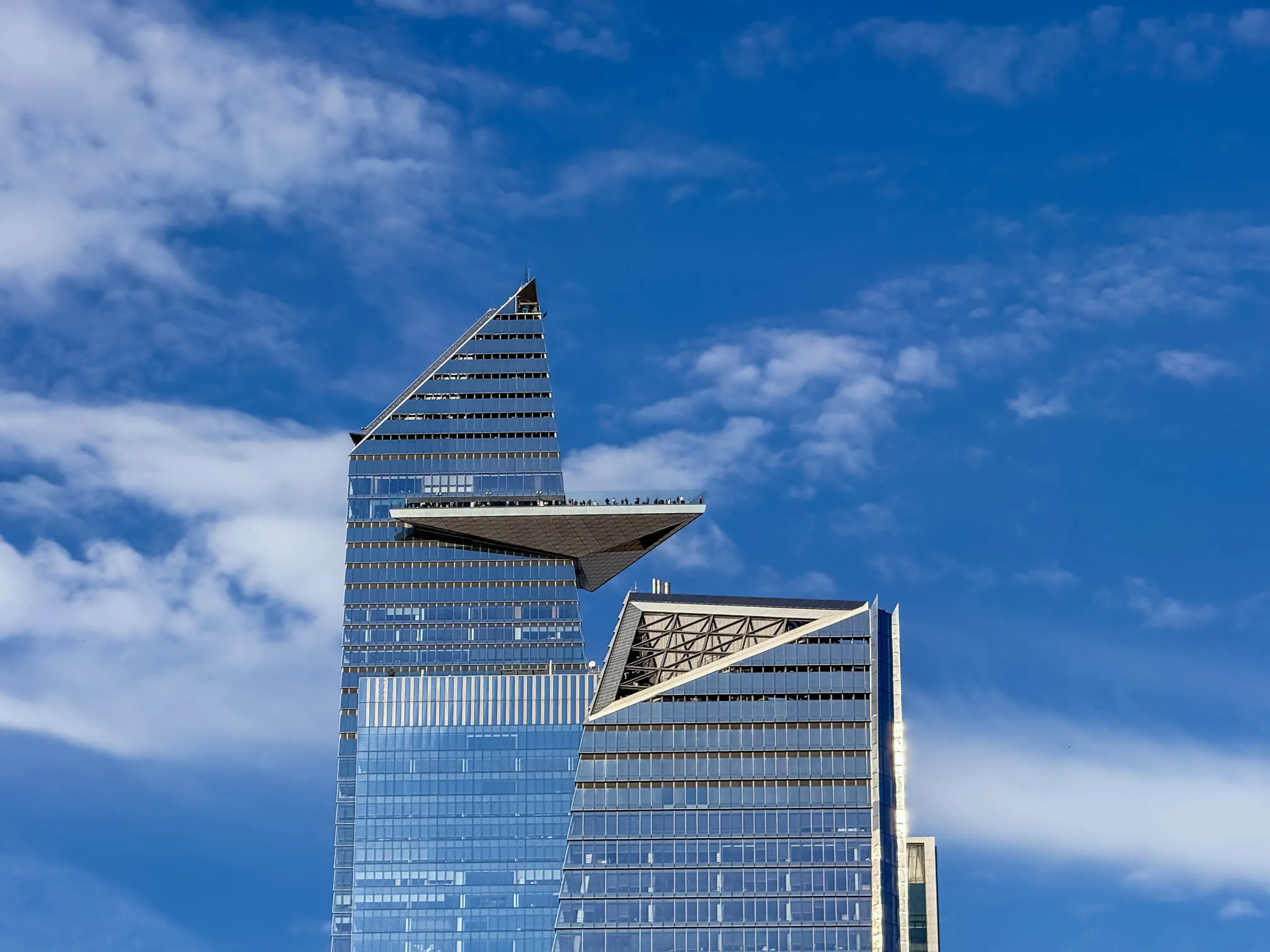
New York decks are designed for high visitor volumes, especially during holiday seasons, school breaks, and sunset windows. Timed entry helps spread arrivals, but queue pressure can still build during peak periods. The most successful visits usually combine realistic pacing, early arrival, and flexible expectations around weather. If visibility drops, many guests still enjoy the atmosphere and architecture, then return another day for clearer long-range views.
Accessibility has improved significantly across major venues, with elevators, step-free routes, and staff support for varied mobility needs. Still, specific attractions within a venue may have practical limitations based on design or safety protocols. Checking details in advance is a smart move, especially for travelers using mobility devices or planning family visits with strollers. A little preparation goes a long way toward making the experience smooth, inclusive, and genuinely enjoyable.
Skyline in film, fashion and city identity
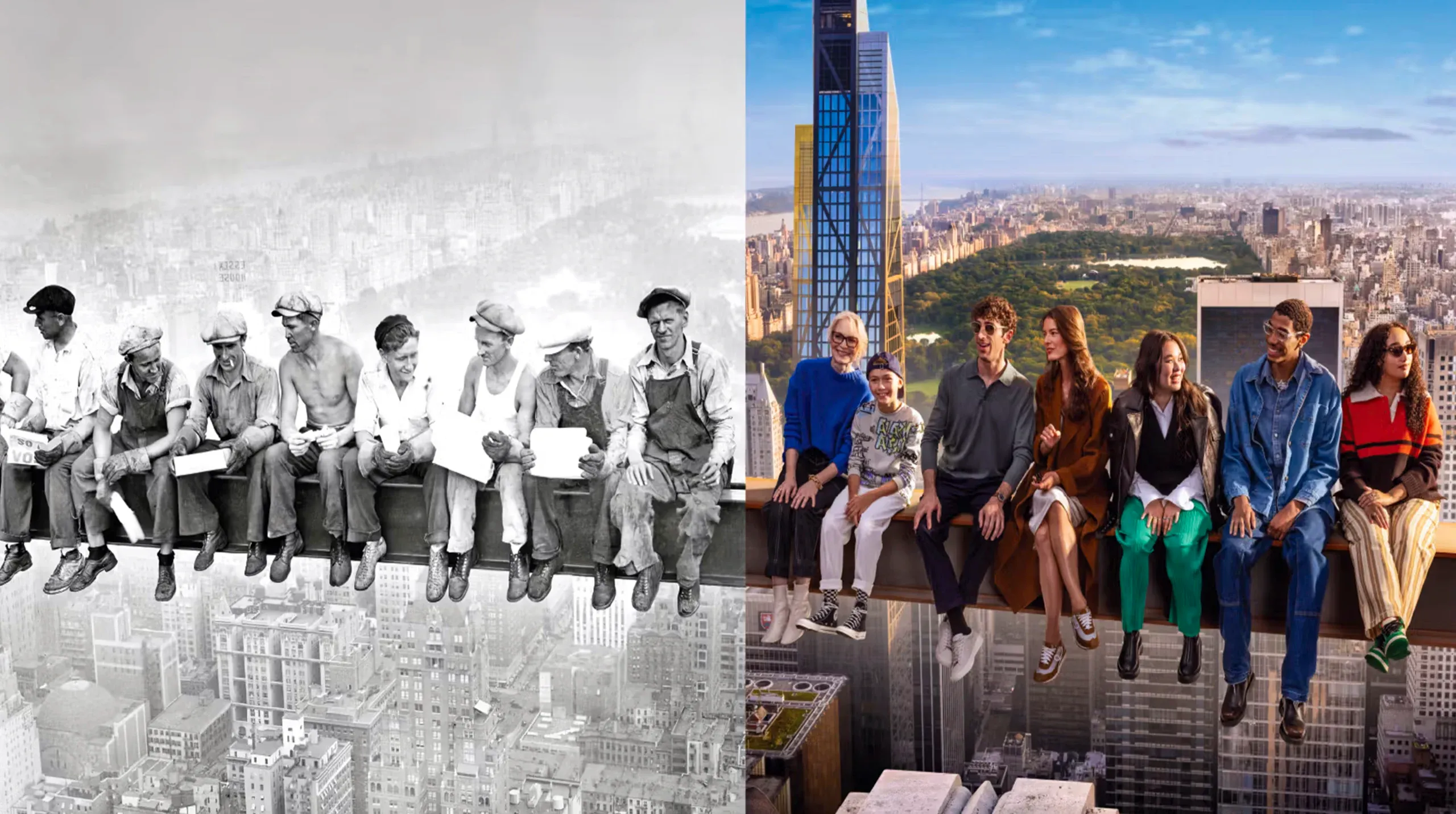
The New York skyline is more than architecture; it is a character in global culture. Films use it to signal ambition, romance, risk, and reinvention. Fashion campaigns frame it as an emblem of modern confidence. Music videos turn it into rhythm and silhouette. From black-and-white classics to streaming-era drone shots, the skyline has become a shared visual language recognized everywhere, often before viewers hear a single line of dialogue.
Observation decks feed that cultural loop by giving people direct access to the images they have seen for years. Visitors arrive with cinematic expectations and leave with personal versions of those scenes: a windblown sunset, a foggy twilight, a glittering avenue after rain. That emotional overlap between media memory and lived moment explains why skyline views continue to feel fresh even for people who thought they already knew what New York looked like.
Tickets, timed entry and planning like a local
Smart planning starts with honest priorities. If you care most about classic composition, book Top of the Rock. If architectural history matters, prioritize Empire State. If you want immersive design, choose SUMMIT. If your goal is thrill and open-air perspective, include Edge. If downtown panoramas and harbor lines call to you, One World Observatory is essential. Building your day around these motivations leads to better choices than chasing every attraction without pause.
Locals and experienced travelers also think in neighborhoods, not just icons. Midtown decks pair well together with minimal transit overhead, while downtown visits combine naturally with waterfront walks or ferries. Leave buffer time for security checks and spontaneous stops, especially around food and photo opportunities. A well-paced itinerary usually beats an overloaded checklist, because skyline experiences are strongest when you have time to absorb them.
Weather, light and photography strategy
Light transforms New York more dramatically than many first-time visitors expect. Morning offers cleaner atmosphere and sharper building definition. Golden hour introduces warm contrast and elongated shadows. Blue hour, just after sunset, often delivers the richest balance between sky color and city lights. Even overcast days can produce elegant, low-glare conditions that flatter architecture, especially for black-and-white or mood-focused photography.
A few practical habits improve results immediately: clean your phone lens, reduce reflections by shooting close to glass barriers, and pause before every shot to check horizon lines. If you are carrying a camera, a moderate zoom can isolate iconic structures without flattening depth too much. And remember that some of the best images happen between landmarks, when traffic patterns, weather texture, and human movement combine into scenes that feel unmistakably New York.
Pairing decks with neighborhoods and food stops
One of the easiest ways to improve your day is to pair each deck with a nearby neighborhood experience. After Top of the Rock, stroll through Rockefeller Center and Fifth Avenue corners. After Empire State, explore Koreatown or Flatiron-area cafés. After Edge, browse Hudson Yards and walk the High Line. After SUMMIT, enjoy the architecture around Grand Central. After One World Observatory, continue toward Battery Park or the Seaport for waterfront contrast.
This approach prevents fatigue and turns vertical sightseeing into a richer city narrative. Instead of viewing decks as isolated checkpoints, you connect them with street-level texture: coffee counters, bookstores, design shops, and casual local routines unfolding between major landmarks. The result is a day that feels less like a rush and more like a conversation with the city, alternating broad panoramas with intimate neighborhood detail.
Why the skyline still feels personal
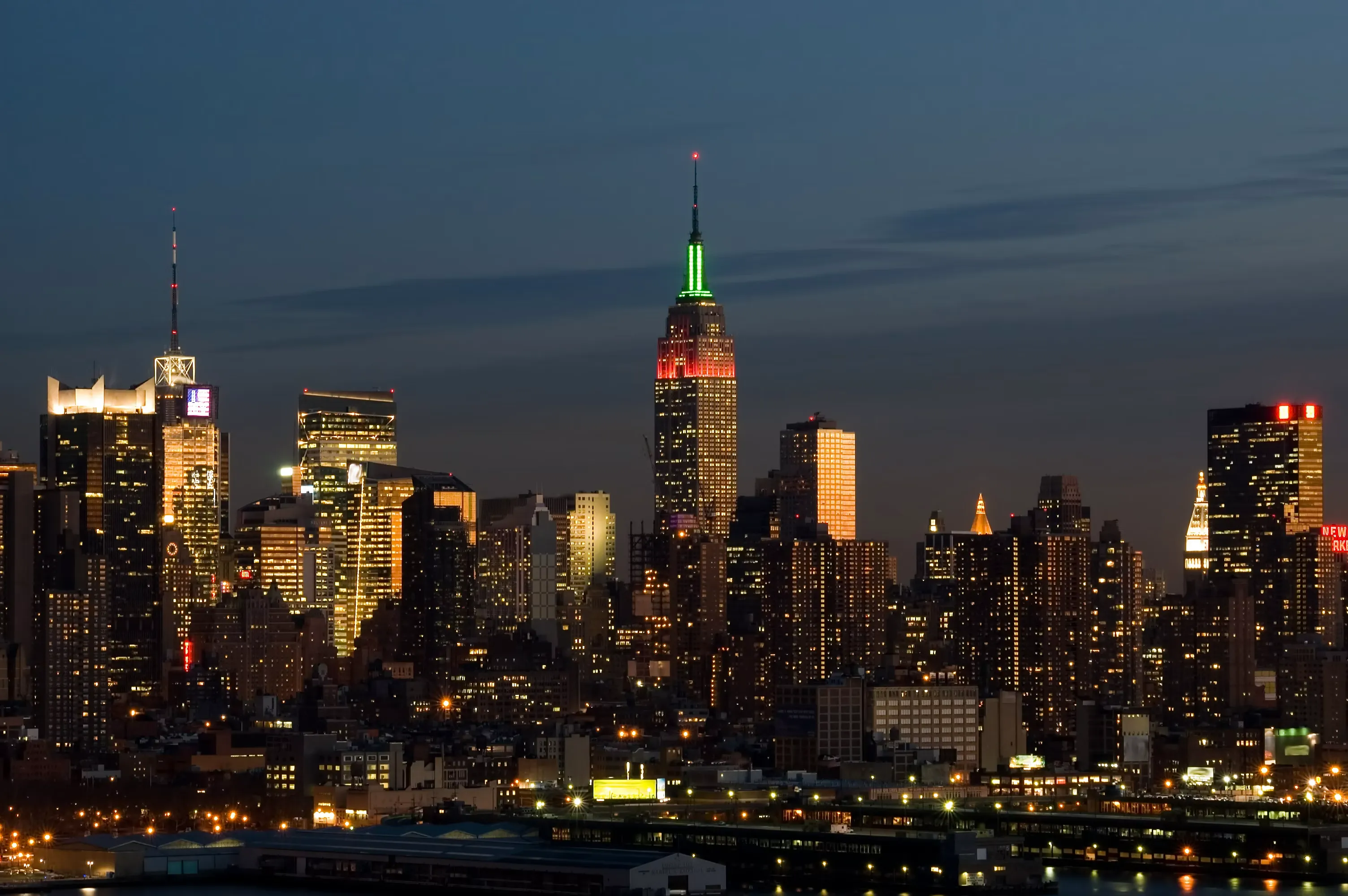
At first glance, skyline tourism can seem universal: everyone points a camera at the same towers and watches the same sunset line. Yet the experience quickly becomes personal. Some visitors come to celebrate milestones, others to reconnect with old memories, and many simply want to pause above the noise and see the city as a whole. From that height, daily pressure softens and perspective expands in ways that are hard to describe until you are there.
That is why New York’s observation decks remain relevant despite endless photos online. A screen can show you the view, but it cannot replicate the wind, the scale, the shifting color, and the shared hush that falls over a platform when the lights switch on across Manhattan. In that moment, the skyline stops being a symbol and becomes an experience you carry home, vivid and specific to your own story.
Table of Contents
From harbor city to vertical metropolis
Long before the glass towers and observation decks, New York grew as a harbor city where ships, trade, and migration shaped daily life. In the 19th century, waves of newcomers arrived through the port, rail lines expanded, and Manhattan’s commercial heart tightened block by block. Land was limited, ambition was not, and that pressure pushed the city toward height. What began as practical engineering soon became civic theater: companies and architects raced to build higher, bolder, and more memorable profiles against the sky.
By the early 20th century, New York had transformed into a laboratory of structural innovation. Steel frames, faster elevators, and zoning rules changed how towers were designed and how sunlight reached the streets. The skyline became a public symbol of confidence, then resilience, then reinvention. Today’s observation decks are part of that same story: each one is a stage where visitors witness how geography, industry, culture, and human imagination have layered themselves into one of the most recognizable cityscapes in the world.
Rockefeller, Midtown and the rise of observation culture
Rockefeller Center helped redefine Midtown as a coherent urban vision rather than a loose collection of towers. Designed as a large-scale complex during a difficult economic era, it blended commerce, media, public art, and plazas into an experience that still feels modern. Top of the Rock eventually emerged as a signature viewpoint not only because of its height, but because of its composition: Central Park to one side, the dense canyon of Midtown to the other, and the Empire State Building centered like a landmark in a textbook skyline photograph.
This is where observation culture became emotional as well as practical. Visitors did not just go up for altitude; they went for orientation, storytelling, and memory. You could stand on one terrace and understand the urban logic of Manhattan in seconds, then stay for an hour because the light kept changing and every direction offered a different mood. The deck became a ritual for birthdays, proposals, family reunions, and first visits, proving that city viewing could be both grand and deeply personal.
Empire State Building and the Art Deco race to the sky
Few structures embody New York mythology like the Empire State Building. Completed in 1931 at extraordinary speed, it rose during a period of fierce skyscraper competition and quickly became a symbol of determination in uncertain times. Its Art Deco lines, limestone façade, and tapered silhouette were as strategic as they were beautiful, balancing engineering requirements with visual drama. For decades, standing on its observatory meant touching the highest chapter of urban modernity.
Even now, the Empire State experience feels ceremonial. You move through exhibits that connect labor history, design innovation, and pop-culture legacy before reaching the open-air terrace where the city’s scale becomes tangible. On clear days, visibility stretches far beyond the boroughs; on misty evenings, the building lights and traffic streams create a softer, cinematic mood. A useful fact many visitors love: the tower reaches 1,454 feet to the tip including its antenna, yet what stays with people is less the number and more the sensation of standing in a place where history and horizon meet.
Downtown reborn and One World Observatory
Lower Manhattan has repeatedly reinvented itself, from colonial port district to global financial center to one of the city’s most layered cultural zones. One World Observatory represents that arc with unusual emotional depth. Rising above the rebuilt World Trade Center site, it offers more than sweeping views of bridges and waterways; it invites visitors to consider continuity, memory, and the city’s capacity to rebuild while looking outward to the harbor and beyond.
The journey up is intentionally immersive, combining high-speed ascent with curated media moments that reveal how New York’s skyline evolved across centuries. Once at the top, you see the geometry of downtown streets, ferries tracing white paths over the river, and borough edges meeting open water. It is one of the best places to understand Manhattan as an island city whose identity has always depended on movement, exchange, and connection with the wider world.
Hudson Yards and the era of new platforms
Edge NYC marks a newer chapter in skyline design, where observation is no longer passive. Suspended from Hudson Yards, its triangular platform projects into open air and creates a powerful sense of floating over the city grid. Angled glass walls and a glass floor segment encourage visitors to experience height physically rather than just visually, turning the skyline into an active encounter with space, scale, and perspective.
This area itself reflects contemporary urban redevelopment: rail infrastructure below, mixed-use towers above, and a carefully planned pedestrian environment linking old and new Manhattan. Watching the Hudson River at sunset from Edge often becomes a highlight because the western light washes the facades in warm color while shadows carve the avenues into dramatic lines. It is both a viewpoint and a statement about how modern New York imagines public spectacle in the vertical age.
SUMMIT One Vanderbilt and immersive skyline design
SUMMIT One Vanderbilt has reshaped expectations of what an observatory can be. Instead of offering only a terrace, it merges art, mirrored architecture, glass projections, and elevated city views into a multi-sensory environment. Reflection rooms multiply the skyline until boundaries blur, making familiar landmarks appear new, playful, and almost dreamlike. It is particularly popular with visitors who want an experience that feels contemporary, social, and visually experimental.
Positioned near Grand Central, SUMMIT also demonstrates how transit access and vertical entertainment can work together. Travelers step out of one of the world’s busiest rail hubs and, within minutes, move into a carefully choreographed sequence of light, height, and panoramic reveal. At certain times of day, cloud movement and sun angle transform the interior into shifting color fields, proving that the skyline is not a fixed postcard but a living backdrop that changes minute by minute.
Engineering feats behind modern deck experiences
Behind every deck visit lies a dense network of engineering decisions: wind-load calculations, tuned mass systems, laminated glass technology, elevator logistics, and rigorous life-safety protocols. Designers must balance comfort with capacity, ensuring visitors feel secure while still preserving open, dramatic views. In supertall contexts, even small details matter, from queue choreography to anti-reflective glazing that improves photography without compromising energy performance.
Fast elevator travel is another hidden marvel. In many buildings, ascent itself is part of the storytelling arc, compressing city history and vertical distance into a few unforgettable seconds. For guests, that ride feels effortless; for engineers, it represents decades of progress in control systems, materials, and redundancy standards. These technical layers rarely dominate the visitor narrative, yet they are the reason skyline tourism can be both thrilling and consistently reliable at massive scale.
Crowds, safety and guest accessibility today
New York decks are designed for high visitor volumes, especially during holiday seasons, school breaks, and sunset windows. Timed entry helps spread arrivals, but queue pressure can still build during peak periods. The most successful visits usually combine realistic pacing, early arrival, and flexible expectations around weather. If visibility drops, many guests still enjoy the atmosphere and architecture, then return another day for clearer long-range views.
Accessibility has improved significantly across major venues, with elevators, step-free routes, and staff support for varied mobility needs. Still, specific attractions within a venue may have practical limitations based on design or safety protocols. Checking details in advance is a smart move, especially for travelers using mobility devices or planning family visits with strollers. A little preparation goes a long way toward making the experience smooth, inclusive, and genuinely enjoyable.
Skyline in film, fashion and city identity
The New York skyline is more than architecture; it is a character in global culture. Films use it to signal ambition, romance, risk, and reinvention. Fashion campaigns frame it as an emblem of modern confidence. Music videos turn it into rhythm and silhouette. From black-and-white classics to streaming-era drone shots, the skyline has become a shared visual language recognized everywhere, often before viewers hear a single line of dialogue.
Observation decks feed that cultural loop by giving people direct access to the images they have seen for years. Visitors arrive with cinematic expectations and leave with personal versions of those scenes: a windblown sunset, a foggy twilight, a glittering avenue after rain. That emotional overlap between media memory and lived moment explains why skyline views continue to feel fresh even for people who thought they already knew what New York looked like.
Tickets, timed entry and planning like a local
Smart planning starts with honest priorities. If you care most about classic composition, book Top of the Rock. If architectural history matters, prioritize Empire State. If you want immersive design, choose SUMMIT. If your goal is thrill and open-air perspective, include Edge. If downtown panoramas and harbor lines call to you, One World Observatory is essential. Building your day around these motivations leads to better choices than chasing every attraction without pause.
Locals and experienced travelers also think in neighborhoods, not just icons. Midtown decks pair well together with minimal transit overhead, while downtown visits combine naturally with waterfront walks or ferries. Leave buffer time for security checks and spontaneous stops, especially around food and photo opportunities. A well-paced itinerary usually beats an overloaded checklist, because skyline experiences are strongest when you have time to absorb them.
Weather, light and photography strategy
Light transforms New York more dramatically than many first-time visitors expect. Morning offers cleaner atmosphere and sharper building definition. Golden hour introduces warm contrast and elongated shadows. Blue hour, just after sunset, often delivers the richest balance between sky color and city lights. Even overcast days can produce elegant, low-glare conditions that flatter architecture, especially for black-and-white or mood-focused photography.
A few practical habits improve results immediately: clean your phone lens, reduce reflections by shooting close to glass barriers, and pause before every shot to check horizon lines. If you are carrying a camera, a moderate zoom can isolate iconic structures without flattening depth too much. And remember that some of the best images happen between landmarks, when traffic patterns, weather texture, and human movement combine into scenes that feel unmistakably New York.
Pairing decks with neighborhoods and food stops
One of the easiest ways to improve your day is to pair each deck with a nearby neighborhood experience. After Top of the Rock, stroll through Rockefeller Center and Fifth Avenue corners. After Empire State, explore Koreatown or Flatiron-area cafés. After Edge, browse Hudson Yards and walk the High Line. After SUMMIT, enjoy the architecture around Grand Central. After One World Observatory, continue toward Battery Park or the Seaport for waterfront contrast.
This approach prevents fatigue and turns vertical sightseeing into a richer city narrative. Instead of viewing decks as isolated checkpoints, you connect them with street-level texture: coffee counters, bookstores, design shops, and casual local routines unfolding between major landmarks. The result is a day that feels less like a rush and more like a conversation with the city, alternating broad panoramas with intimate neighborhood detail.
Why the skyline still feels personal
At first glance, skyline tourism can seem universal: everyone points a camera at the same towers and watches the same sunset line. Yet the experience quickly becomes personal. Some visitors come to celebrate milestones, others to reconnect with old memories, and many simply want to pause above the noise and see the city as a whole. From that height, daily pressure softens and perspective expands in ways that are hard to describe until you are there.
That is why New York’s observation decks remain relevant despite endless photos online. A screen can show you the view, but it cannot replicate the wind, the scale, the shifting color, and the shared hush that falls over a platform when the lights switch on across Manhattan. In that moment, the skyline stops being a symbol and becomes an experience you carry home, vivid and specific to your own story.